Sewer Line Repair in Southwest Florida
Sewer line repair is among the highest-cost categories in residential plumbing, and one where diagnosis matters more than it does for simpler work. A slow drain can have twenty causes; a failing sewer lateral has fewer, and the repair method depends directly on which failure mode is present. Getting the diagnosis right is not a formality—it is the difference between a repair that resolves the problem and one that addresses a symptom while the actual condition continues to progress beneath a cleared line.
In practical terms, the evidence points to camera inspection as the starting point for any sewer lateral evaluation in North Port. The local ground conditions—sandy soil with variable compaction, a high water table, and active root systems from subtropical vegetation—produce failure modes that are common enough to have predictable patterns. But the specific condition in any given line requires visual confirmation before a competent repair estimate is possible. An estimate written without a camera inspection is a guess about scope and method, which typically becomes a problem when the work begins. Regional coverage from North Port | FOX 13 Tampa Bay provides context on North Port area infrastructure events and development patterns that affect both service demand and contractor availability in the Sarasota County market.
Sewer Line Repair Topics
The topics below cover sewer line evaluation and repair from first inspection through method selection and the questions worth asking any contractor:
- How sewer lines are diagnosed: video camera inspection is the standard diagnostic tool for residential lateral lines. A camera identifies root infiltration, pipe offset, collapsed sections, internal corrosion, and grading problems that cause chronic backups. In North Port, where pre-1990 construction used cast iron with lead-sealed joints, camera inspection often reveals multiple conditions in the same line segment, which affects how repair method is selected
- Common failure modes: root infiltration enters at joints and cracks and grows progressively, often recolonizing cleared lines within months; pipe offset occurs when sections shift out of alignment due to soil movement; pipe belly is a sagged section that holds water and debris regardless of how thoroughly the line is cleared; pipe collapse is the failure of a section under load or severe corrosion; joint failure at lead-sealed or no-hub cast iron connections is common in aging North Port housing stock. Each mode has a different repair profile and cost range
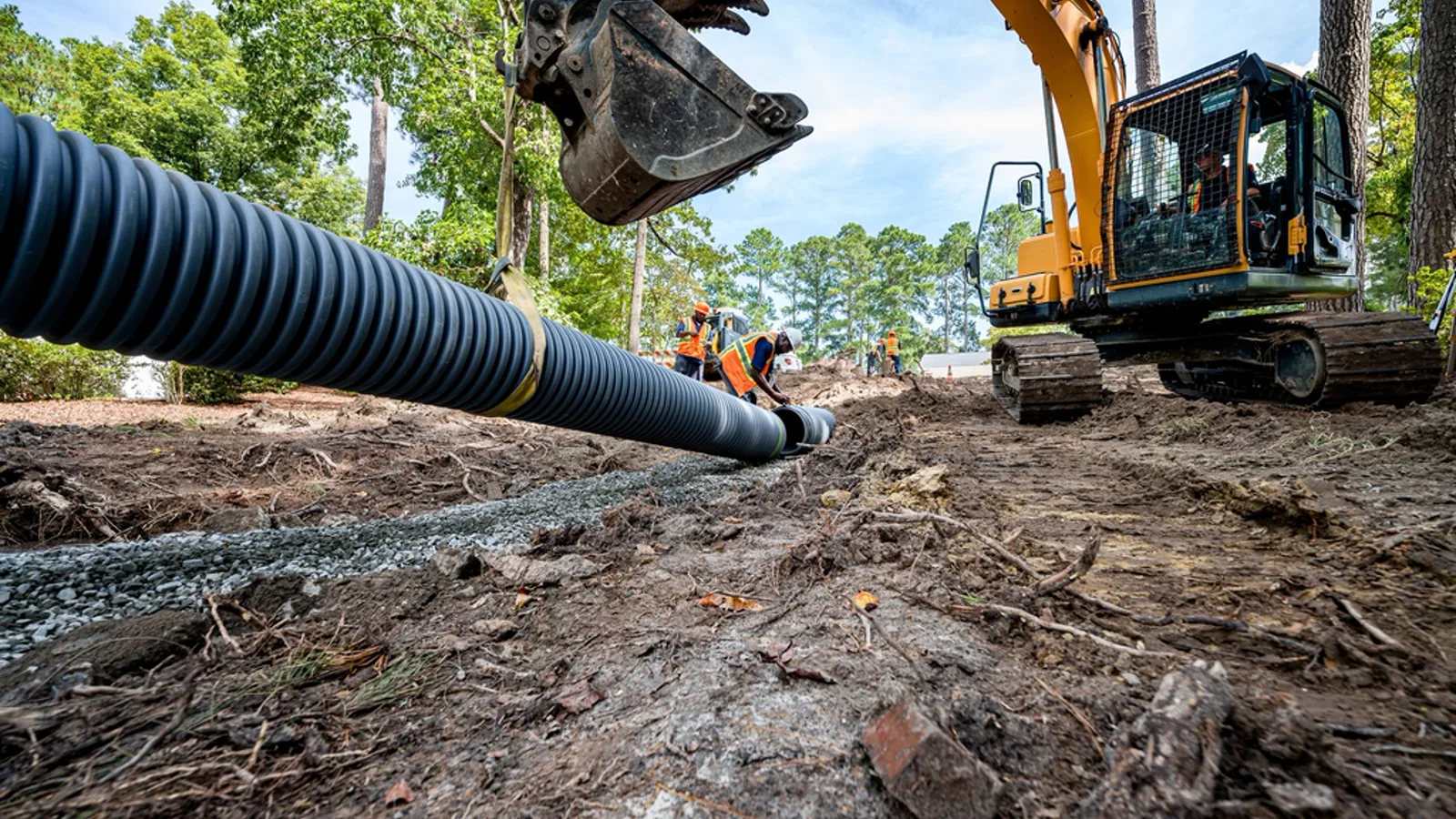
- Trenchless repair options: cured-in-place pipe lining (CIPP) rehabilitates the interior of an existing pipe without excavation, effective when the host pipe retains structural integrity; pipe bursting replaces a damaged line by pulling a new pipe through while fracturing the old one outward. Both methods require adequate access points and soil conditions that Southwest Florida usually satisfies, though high water table can affect CIPP curing times and should be documented in the contractor's method selection
- Open excavation: conventional dig-and-replace is warranted when the pipe has collapsed, when the line runs under a structure that prevents trenchless access, or when soil conditions around the line require physical inspection before new pipe is laid. Open excavation in North Port requires permits from the city building department and may involve coordination with Sarasota County utilities when the lateral runs close to the public main
- Cost and timeline drivers: line length, burial depth, soil conditions, selected method, permit requirements, and whether the repair path intersects landscaping, driveways, or structures are the primary variables. A properly scoped estimate should specify which of these apply, how they affect the quote, and what contingencies exist if conditions at depth differ from what camera inspection showed. North Port's economic development resources tracked by North Port, FL Department of Economic Development provide context on commercial and residential activity in the city, which affects permit processing timelines and contractor market conditions
Key Terms for Sewer Line Repair
Lateral line: the private sewer pipe that runs from a home's foundation to the public sewer main at the street. Maintenance and repair of the lateral is the homeowner's responsibility.
CIPP (cured-in-place pipe): a trenchless rehabilitation method that coats the inside of an existing pipe with a resin-impregnated liner, creating a new interior surface without excavation.
Pipe bursting: a trenchless replacement method that pulls a new pipe through the path of the old one while fracturing the old pipe outward into the surrounding soil.
Pipe offset: misalignment of two connected pipe sections, typically caused by soil movement, creating a partial obstruction where debris collects.
Next Steps
After confirming a sewer line problem through camera inspection, the pipe maintenance section provides context on what pipe materials are likely present by housing era and how they wear under Southwest Florida conditions. For information about the local contractor market—how estimates are structured, what permits typically involve, and what the repair process generally looks like in this part of Sarasota County—the Southwest Florida Area section covers the regional landscape. For drain-side problems that may or may not involve the main lateral, the drain cleaning section covers that diagnostic distinction.